Best Hitch Rack for Electric Bikes and Gear
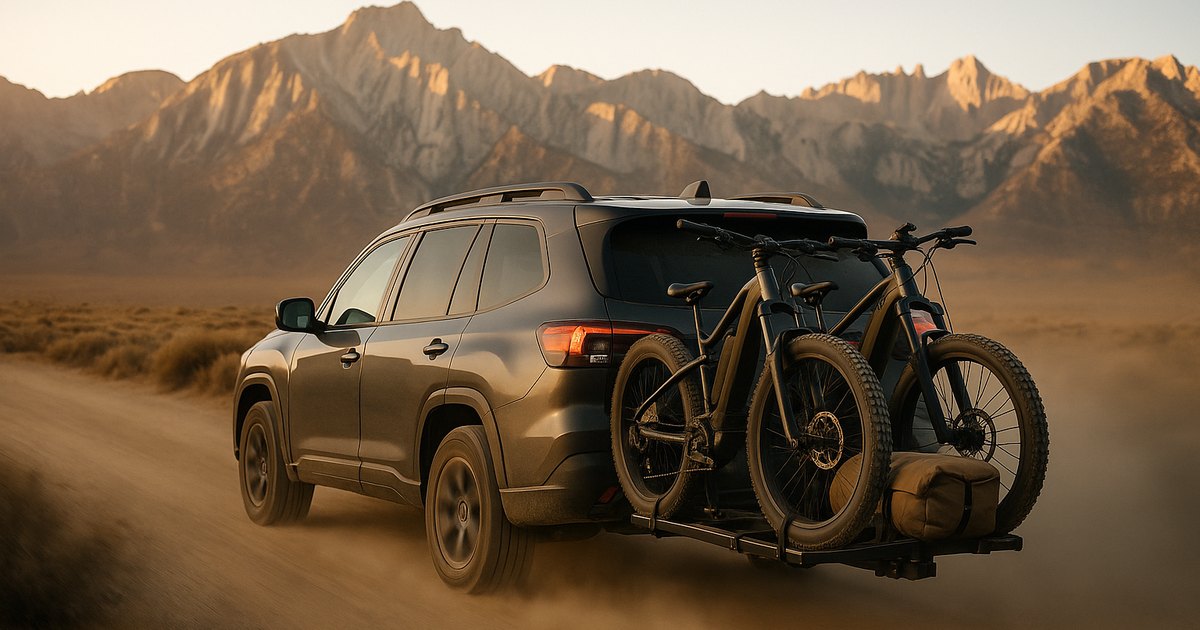
If you own an e-bike, you already know it's heavier and bulkier than a standard bicycle. That extra weight means your old rack probably won't cut it. Finding the best hitch rack for electric bikes and gear is about more than just strapping a bike to your bumper — it's about choosing equipment rated to handle 50-70+ pounds per bike, plus room for camping gear, coolers, or extra cargo. In this guide, we'll break down what to look for and highlight options like the OUTFITR e-bike hitch racks that are built specifically for heavier loads.
Whether you're heading to a mountain trailhead or just commuting with a loaded pannier, the right rack keeps your bikes secure, your vehicle's paint scratch-free, and your gear organized for the drive. This guide covers weight ratings, installation considerations, cargo flexibility, and long-term maintenance so you can make a confident decision the first time.
Why Electric Bikes Need a Different Kind of Hitch Rack
Standard bike racks are typically designed for bikes weighing 30-40 pounds. Electric bikes, with their motors and batteries, often weigh 50 to 80 pounds — sometimes more for cargo e-bikes or those with dual batteries. Overloading a rack not built for that weight can cause sagging, bouncing, or even rack failure on the road.
Here's what sets e-bike-specific hitch racks apart:
- Higher weight capacity: Look for racks rated 60-80 lbs per bike or more.
- Wider tire and frame compatibility: Fat tires and step-through frames need adjustable cradles.
- Sturdier ramps: Loading a heavy e-bike is easier with a built-in ramp rather than lifting it onto a rack.
- Reinforced hitch bars: A 2-inch hitch receiver is generally recommended for heavier loads instead of the more common 1.25-inch size.
- Wheel-hook or platform-style trays: These distribute weight more evenly than hanging-style racks, which can strain an e-bike's frame over time.
It's also worth considering how many e-bikes you'll typically transport at once. A rack that comfortably handles two heavy e-bikes side by side needs a wider frame and more robust cradle spacing than a single-bike setup, so don't assume a 4-bike rated rack automatically scales down its per-bike capacity evenly.
Key Features to Compare When Choosing a Rack
Weight Capacity and Bike Count
Before buying, check both the total rack capacity and the per-bike rating. A rack advertised for "4 bikes" might have a lower per-bike limit than a 2-bike rack designed specifically for e-bikes. Match the rack to your heaviest bike, not your lightest, and leave a small buffer for accessories like child seats, baskets, or extra batteries that add unexpected pounds.
Tilt and Swing-Away Function
Heavy racks loaded with e-bikes can block access to your trunk or tailgate. A tilt-down or swing-away feature lets you access your vehicle without unloading everything first — a small feature that makes a big difference on road trips. If you frequently need to grab items from your trunk at rest stops, this feature alone can save significant time and hassle.
Security and Anti-Wobble Design
Look for racks with anti-wobble hitch stabilizers and integrated locks for both the bikes and the rack-to-hitch connection. This matters more with e-bikes since theft risk is often higher due to their value. A rack that wobbles excessively at highway speeds can also accelerate wear on the hitch receiver itself, so stability isn't just about security — it's about long-term durability too.
Cargo Capacity for Gear
Many riders want more than just a bike rack — they need room for coolers, kayaks, or camping equipment too. Some hitch rack systems offer add-on cargo baskets or are compatible with rooftop and hitch-mounted cargo carriers, giving you flexibility for multi-sport trips. For more on combining bike and gear hauling, see our guide to hitch cargo carriers.
Ease of Folding and Storage
When the rack isn't in use, does it fold flat against your vehicle, or does it need to be removed entirely? Foldable racks are convenient for garage storage and reduce the chance of your rack catching on low clearances like curb ramps or driveway inclines. If you plan to keep the rack mounted year-round, check that it doesn't obstruct your rear camera or license plate visibility when folded.
Comparison: What to Look for by Use Case
| Use Case | Recommended Feature | Why It Matters |
|---|---|---|
| Single heavy e-bike commuter | High per-bike weight rating, ramp loading | Easier loading without straining your back |
| Family with multiple e-bikes | 4-bike capacity, adjustable cradles | Fits mixed bike sizes and frame styles |
| Road-trippers with gear | Add-on cargo basket compatibility | Hauls coolers, tents, and bags alongside bikes |
| Frequent trunk/tailgate access | Tilt or swing-away design | Avoids unloading bikes for every stop |
| Off-road or rough terrain trips | Reinforced frame, anti-sway cradles | Reduces bike movement and rack stress on bumpy roads |
Installation and Fit Tips
Before purchasing any hitch rack, confirm your vehicle's hitch receiver size (1.25-inch or 2-inch) and check the maximum tongue weight rating listed in your owner's manual. Loading more weight than your hitch is rated for can strain your vehicle's frame and create an unsafe driving situation.
- Measure your e-bike's actual weight, including any accessories like baskets or child seats.
- Check ground clearance if your vehicle sits low, especially with a loaded rack and ramp.
- Test the rack's stability by giving it a firm shake once installed — excessive wobble may mean it needs a hitch tightener or stabilizer.
- Confirm the rack doesn't obstruct rear lights, turn signals, or your license plate, since some states require these to remain visible while driving.
- If towing a trailer in addition to using a hitch rack, verify your vehicle's total combined weight rating to avoid exceeding safe towing limits.
If you're new to hitch-mounted systems in general, our hitch rack buying guide walks through hitch classes, receiver sizes, and towing capacity basics in more detail. Taking the time to understand these fundamentals before you buy can prevent a costly mismatch between your vehicle and your rack.
Loading and Unloading E-Bikes Safely
Because e-bikes are heavier than traditional bicycles, the loading process deserves extra attention. A few practical habits can make a noticeable difference:
- Use the rack's ramp if available, rather than lifting the bike directly onto the tray.
- Load the heaviest bike first if your rack has a weight distribution recommendation, since this often improves overall stability.
- Ask a second person to help stabilize the bike while you secure the straps or locking arms, especially with cargo e-bikes.
- Double-check that wheel straps and frame clamps are snug before driving, and recheck them after the first few miles.
Maintaining Your Rack and Bikes on the Road
Once your rack is installed, a few habits help keep both your rack and bikes in good shape over time:
- Re-check strap tightness after the first 10-15 minutes of driving, since straps can settle.
- Cover exposed electrical components on e-bikes if driving in rain or on dusty roads.
- Remove bikes for car washes or when parking in tight garages to avoid accidental scrapes.
- Periodically inspect the hitch pin and locking mechanism for wear.
- Lubricate moving parts like tilt hinges or folding joints occasionally to prevent rust or stiffness, particularly if you drive in wet or salty road conditions.
- Store the rack indoors or under cover when not in use for extended periods to extend its lifespan.
Bringing It All Together
Choosing the best hitch rack for electric bikes and gear comes down to matching weight capacity, loading convenience, and cargo flexibility to how you actually use your vehicle. A rack that handles heavy e-bikes with ease — and still leaves room for a cooler or camping gear — will serve you far better than a generic bike rack that wasn't built for the extra weight. Take the time to measure your bikes, check your hitch rating, and pick a rack designed with e-bikes in mind so your gear arrives at the trailhead as securely as it left your driveway.
Where to buy
You can review current hitch rack options, including models built for heavier e-bikes, through the OUTFITR e-bike hitch racks lineup. Always check the current price and confirm weight ratings and hitch compatibility before making a purchase decision.
Sources and further reading
Independent references for checking the safety, rules and buying details covered in this guide. We are not affiliated with these organizations.
FAQ
How much weight can a typical e-bike hitch rack hold?
Capacity varies by model, but many e-bike-specific hitch racks are rated to hold 60-80 pounds per bike, with total capacities reaching 160 pounds or more for multi-bike setups. Always check the manufacturer's listed weight rating for both the rack and your specific vehicle's hitch receiver before loading.
Do I need a 2-inch hitch receiver for an e-bike rack?
Many heavier-duty e-bike racks are designed for 2-inch hitch receivers because they offer greater stability and higher weight tolerance than 1.25-inch receivers. If your vehicle only has a 1.25-inch receiver, look for racks specifically rated for that size or consider a hitch adapter, though this may reduce overall weight capacity.
Can a hitch rack carry both e-bikes and other gear at the same time?
Some hitch rack systems are compatible with add-on cargo baskets or platforms that attach above or below the bike tray, allowing you to haul coolers, bags, or camping gear alongside your bikes. Always confirm combined weight limits so you don't exceed your hitch or rack's rated capacity when adding extra gear.
How do I know if my e-bike will fit on a standard hitch rack?
Check your e-bike's wheelbase, tire width, and frame style against the rack's stated compatibility, since step-through frames, fat tires, and cargo bikes often need adjustable cradles or additional accessories. Measuring your bike and comparing it to the rack's specifications before buying helps avoid fit issues once you're ready to load up.